In a 12 sqm HDB master bedroom, every centimetre counts — which is why Scandinavian armchairs, with their compact designs and light wood tones, have become a favourite among design-conscious homeowners. These pieces, often crafted from oak or beech, don’t just fit spatially; they visually expand the room, blending seamlessly with neutral palettes and modern aesthetics. Condominiums, with their slightly larger footprints, allow for more flexibility, but the trend leans toward the same principles: functional minimalism and warm Nordic hues.
Online retailers like Castlery and HipVan offer a wide range of options, from armchairs with performance velvet upholstery to those in muted blues or sage greens, typically priced between $1,200 and $2,400. In-store visits, though less convenient, let buyers test the comfort and assess the craftsmanship — a crucial step, especially for pieces that’ll see daily use. IKEA’s Eunos showroom, for instance, remains a go-to for those seeking affordability without compromising on Scandinavian design.
One common pitfall? Overlooking the armchair’s proportions in relation to the room. A sleek design might look stunning online, but in a compact HDB bedroom, it can overwhelm the space. That’s where light wood tones and neutral upholstery shine — they create a sense of airiness without sacrificing style. And while some might argue for bolder choices, the enduring appeal of Scandinavian furniture lies in its ability to adapt, blending effortlessly with evolving tastes and trends.
For those drawn to the “hygge” lifestyle, the armchair isn’t just a piece of furniture; it’s a cosy retreat. Whether it’s tucked into a corner of a BTO flat or placed beside a condominium window, it’s a nod to Nordic simplicity — and a reminder that good design doesn’t have to shout to be heard.
Singapore’s humidity hovers above 80% year-round — a fact that doesn’t just frizz hair but also tests furniture durability. Armchairs upholstered in natural fabrics like linen or cotton often struggle here; they absorb moisture, leading to mildew or warping. Instead, performance velvet or polyester blends, treated with stain-resistant coatings, fare better. These materials repel spills from kopi-o or teh tarik, too, making them practical for pet owners whose cats or dogs might leave behind the occasional paw print.
Space is another critical factor. In a 12 sqm HDB master bedroom or compact condo living area, oversized armchairs can overwhelm the room. Scandinavian designs often lean towards compact frames — think low-profile armchairs with tapered legs that visually lighten the space. A chair measuring around 70cm wide typically fits snugly beside a bed or in a corner without crowding the walkway. For added functionality, some designs include built-in storage beneath the seat, though these tend to sacrifice comfort for utility.
Colour choices matter more than you’d think. While white upholstery aligns with Scandinavian minimalism, it’s a magnet for stains in Singapore’s dusty, humid environment. Soft greys, muted blues, or sage greens offer a compromise — they maintain the hygge aesthetic while hiding everyday wear. Light oak or ash wood frames, meanwhile, complement HDB’s neutral walls without darkening the room.
One thing to note: armchairs with removable cushion covers are a lifesaver. They’re easier to clean or replace, especially if you’ve got pets or kids. And while leather might seem like a good option, it’s prone to cracking in high humidity unless you’re willing to invest in regular conditioning.
Scandinavian armchairs typically feature light-toned woods like oak, ash, or beech — materials chosen for their durability and aesthetic appeal. These woods are naturally resistant to warping, which is crucial in Singapore’s humid climate. Beech, in particular, offers a fine grain that complements minimalist designs, while oak provides a sturdier frame for daily use. Ash strikes a balance between the two, making it a popular choice for both online and in-store options. Avoid cheaper alternatives like pine, which can degrade faster in tropical conditions.
Moisture-resistant fabrics are essential for Scandinavian armchairs in Singapore, where humidity can lead to mould or mildew. Performance velvet and linen blends are common choices, offering both durability and a soft touch. These materials are easy to clean and maintain, making them ideal for homes with children or pets. Neutral tones like soft greys or muted blues align with the Scandinavian aesthetic while hiding everyday wear. Avoid synthetic fabrics that trap heat, as they can make sitting uncomfortable in warmer weather.
The frame’s joinery is a key indicator of quality — look for dowel or mortise-and-tenon joints, which provide stability without relying on screws or nails. Cheaper armchairs often use staples or glue, which can loosen over time. A well-constructed frame should feel solid when tested, with no wobbling or creaking. Online shoppers should check product descriptions for details on joinery methods, while in-store buyers can inspect the chair’s underside. This attention to craftsmanship ensures longevity, even in high-traffic areas.
Legs on Scandinavian armchairs are typically slim and tapered, contributing to the design’s light, airy feel. Materials range from matching wood to powder-coated metal, both of which add to the chair’s durability. Metal legs are particularly practical for homes with polished floors, as they reduce the risk of scratches. Height is another factor — chairs with slightly taller legs create a sense of space, which is ideal for smaller HDB flats. Always ensure the legs are securely attached and evenly balanced.
While aesthetics are important, comfort shouldn’t be overlooked. Scandinavian armchairs often feature ergonomic designs with slightly reclined backs and well-padded seats. Cushions filled with high-resilience foam provide support without losing their shape over time. Armrests should be at a comfortable height for resting elbows, typically around 60–65 cm from the floor. Test the chair’s depth and seat height to ensure it suits your body proportions — a mismatch can lead to discomfort during prolonged use.
The armchair that looked perfect in the showroom suddenly dominates the 12 sqm HDB bedroom—buyers forget that Scandinavian designs often run larger than local dimensions. A typical Finn Juhl-inspired chair needs 90cm clearance, leaving just enough space to sidle past in rooms where built-in wardrobes already eat 60cm depth.
Humidity warps untreated rubberwood within months, yet buyers still prioritise aesthetics over material specs. Look for kiln-dried oak or ash with water-based lacquer; IKEA’s Stockholm series handles moisture better than most solid wood options at the $800–$1,500 range. That bouclé upholstery from Pinterest boards? It’ll yellow in Singapore’s humidity unless treated with anti-microbial coating—performance velvet from Castlery’s Nova line fares better.
Some insist on authentic Danish brands, not realising their 16-week lead times clash with BTO key collection schedules. Local adaptations like Commune’s teak-and-linen Oslo chair deliver the aesthetic without the wait.
Delivery logistics trip up even seasoned shoppers. Narrow HDB lift landings can’t accommodate some disassembled pieces, while walk-up apartments face $150–$300 stair-climbing fees—FortyTwo’s modular sofas solve this, but their armchairs ship whole. Eunos and Bedok buyers often discover too late that their preferred model won’t fit past the corridor’s electrical risers.
The rush for neutral tones backfires when buyers ignore how light interacts with local spaces. A pale grey chair vanishes against HDB’s beige walls, while white leather reflects glare from unshaded windows—muted blues or sage greens anchor better in north-facing rooms.
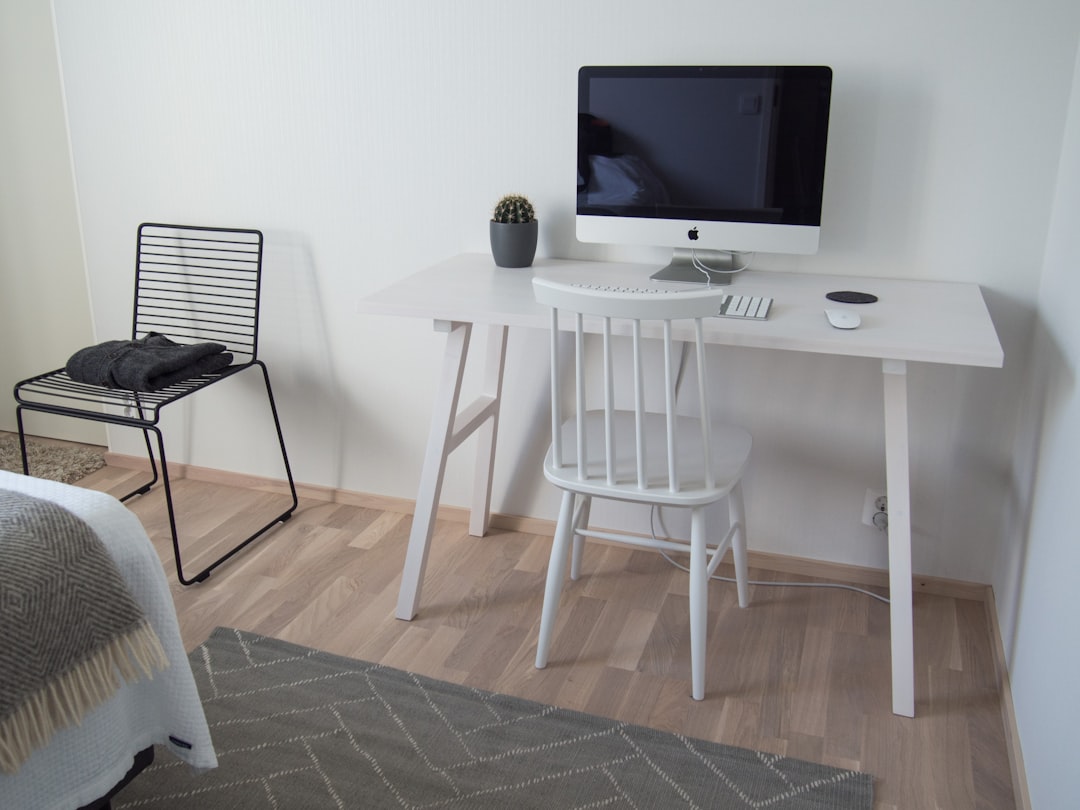

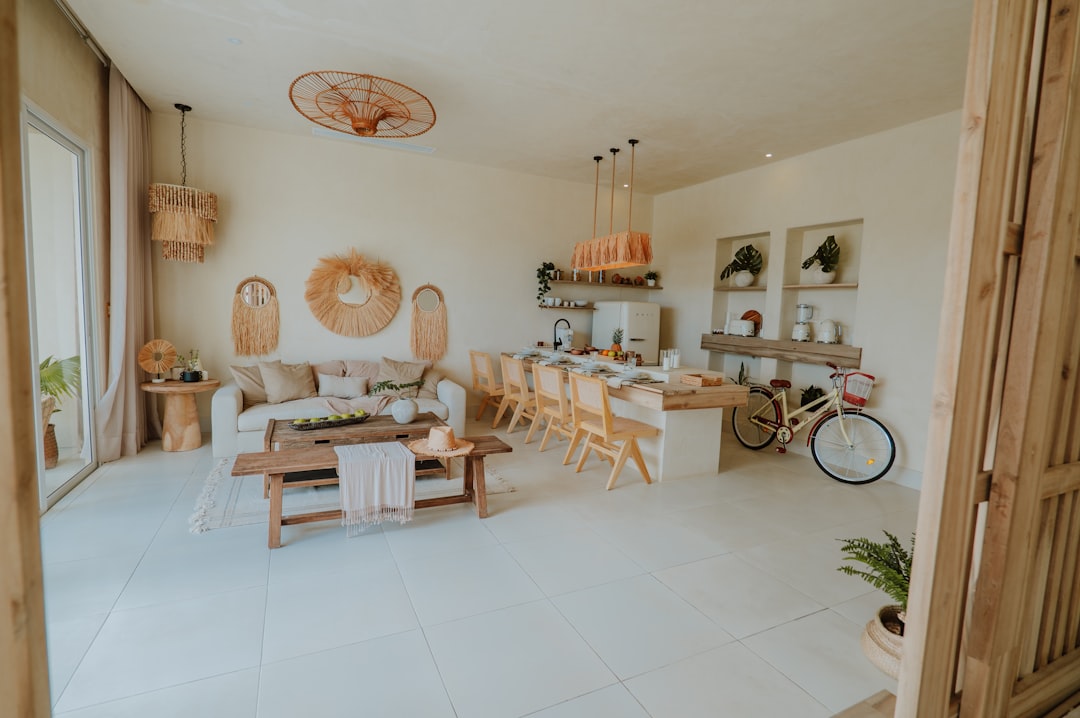
Walking into Megafurniture’s Joo Seng showroom, you’ll notice how the light hits the oak frames of their Scandinavian armchairs differently than in online product shots—those warm honey tones turn grey under LED strip lighting in most HDB flats. Online listings can’t show you how the chair’s backrest feels when you sink into it after a long day at Raffles Place, or whether the armrests sit at the right height for your laptop. The Tampines outlet lets you test how their linen upholstery holds up against Singapore’s humidity—some fabrics develop a musty smell within months, while others breathe surprisingly well. You’ll find staff adjusting the lumbar support on display models, demonstrating what “ergonomic” actually means for your posture. They’ve got weighted sandbags in the legs of their showroom armchairs to simulate real wear, something no e-commerce product video bothers with. Mid-range Scandinavian armchairs here hover around $1,200–$2,400, but the difference between a $1,500 and $2,100 model becomes obvious when you sit in them back-to-back—the pricier ones use thicker foam layers that don’t flatten after six months. Their
showroom collectionincludes chairs with removable covers, a feature most buyers overlook until they’ve spilled kopi on non-washable fabric. One couple was debating between velvet and bouclé upholstery last weekend—online, both looked equally muted, but under showroom lights, the bouclé’s flecked texture hid crumbs better. Another customer realised their preferred chair’s legs splayed too wide for their BTO balcony’s narrow footprint. These are things you only discover in person.
Shopping online for Scandinavian armchairs offers access to a wider range of designs, from minimalist to mid-century inspired. Many niche brands and international sellers are available exclusively through e-commerce platforms. Limited physical store space means in-person retailers often carry fewer unique options.
Visiting a physical store allows you to test the ergonomics and fabric textures of Scandinavian armchairs firsthand. Sitting in the chair helps assess support and proportions before committing. Some stores even offer customization consultations unavailable online.
E-commerce platforms make it easy to compare prices across multiple Scandinavian armchair retailers instantly. Detailed product descriptions and customer reviews help gauge value without sales pressure. Flash sales or exclusive online discounts are common.
Brick-and-mortar stores let you take home a Scandinavian armchair the same day, avoiding shipping delays. You can inspect craftsmanship for flaws before purchasing. Some locations offer white-glove delivery services not always listed online.
Delivery timelines for Scandinavian armchairs in Singapore typically range from 2 to 6 weeks, depending on whether the piece is in stock or made-to-order. For HDB flats, most retailers offer delivery windows between 10am and 6pm — a tight schedule that often clashes with work hours. Some buyers opt for weekend deliveries, though these slots fill fast and might cost $20–$50 extra. Flat-pack options from IKEA or Castlery usually arrive in boxes small enough for BTO lifts, but fully assembled pieces might require stairwell manoeuvring in older estates like Bedok or Tampines.
Assembly varies by brand and design. FortyTwo’s armchairs often ship ready-to-use, while Commune’s modular styles might need 15–30 minutes of setup. Tools are usually included, though buyers in compact HDB flats should clear space beforehand — a common oversight in 12 sqm living rooms. For those unsure about DIY, retailers like HipVan offer assembly services at $50–$100 per piece, though it’s worth checking if your contractor can handle it during renovation.
Warranty terms differ widely, with most covering structural defects for 1–3 years. Castlery leans towards the longer end, while smaller brands might exclude wear-and-tear on fabrics like bouclé or performance velvet. Keep receipts — some warranties are void without proof of purchase, and claims often require photos of the damage. Water stains from aircon leaks, a frequent issue in HDB flats, rarely make the cut.
Which armchair fits a 12 sqm bedroom? A compact armchair like IKEA’s Strandmon or Castlery’s Cove works best — they’re around 80cm wide, leaving enough space for a bed and wardrobe. Avoid oversized designs; even a sleek Scandinavian piece can overwhelm the room if it’s too deep or bulky.
How to care for Scandinavian furniture in humid climates? Regular wiping with a dry cloth helps prevent moisture buildup on light wood finishes like oak or ash. For upholstery, opt for performance fabrics like polyester blends — they’re less prone to mould than natural fibres. A dehumidifier in the room isn’t a bad idea, especially during monsoon season.
What’s the price range for a quality Scandinavian armchair? Expect to pay between $1,200 and $2,400 for a well-made piece from brands like Commune or FortyTwo. Cheaper options under $800 exist, but they often skimp on materials — rubberwood frames instead of solid oak, or thin foam cushions that flatten within a year.
Can Scandinavian furniture work in a HDB flat with bold wall colours? It can, but balance is key. If your walls are a vibrant teal or mustard, stick to neutral upholstery like grey or beige for the armchair. A patterned throw pillow in muted tones can tie the look together without clashing.
Scandinavian armchair returns: Understanding retailer policies
A buyer scrolling through Castlery’s website late at night — pinning oak-framed armchairs with bouclé upholstery — might feel confident about their choice. Until they step into a showroom and realise the seat depth feels off, or the fabric’s texture doesn’t match the hygge vibe they’re after. Online shopping offers convenience, especially for those juggling work and family, but Scandinavian furniture’s tactile appeal often demands a hands-on approach.
Price comparisons are easier online — platforms like HipVan and Commune list clear price ranges, typically $800 to $1,500 for mid-tier Scandinavian armchairs. In-store visits, however, might reveal hidden costs like delivery fees or assembly charges, particularly for items shipped from overseas. Yet, showrooms occasionally offer exclusive discounts or bundled deals that aren’t advertised online. It’s worth noting that many Singaporeans still prefer seeing the product in person, especially when investing in a piece that’ll anchor their living room for years.
Delivery timelines can vary wildly. Online purchases might promise two-week delivery, but delays aren’t uncommon, especially for custom upholstery options. In-store visits, particularly at larger retailers like IKEA or FortyTwo, often allow buyers to take stock items home immediately — a perk for those furnishing a tight timeline, like a BTO flat move-in. Still, online platforms excel in variety, offering designs that local showrooms might not carry.
Personal comfort preferences are where showrooms truly shine. Sitting in an armchair for five minutes can reveal whether the lumbar support works for your posture or if the armrests feel awkwardly high. Online reviews can’t replicate that — though they’re useful for gauging durability and long-term satisfaction. For Singapore’s humid climate, materials matter too; performance velvet might look stunning online but feel stifling in a non-air-conditioned living room.